In the remote and mountainous areas of Badakhshan, where water scarcity continues to affect farming and daily life, Merit Empire Construction and Logistics Company is working to change that. Since 2011, the company has been active across Afghanistan’s construction and logistics sector, delivering projects from design to execution. With more than 1,000 skilled professionals and dedicated teams for project management, quality control, and safety, the company has built strong capacity to deliver complex infrastructure in difficult environments.
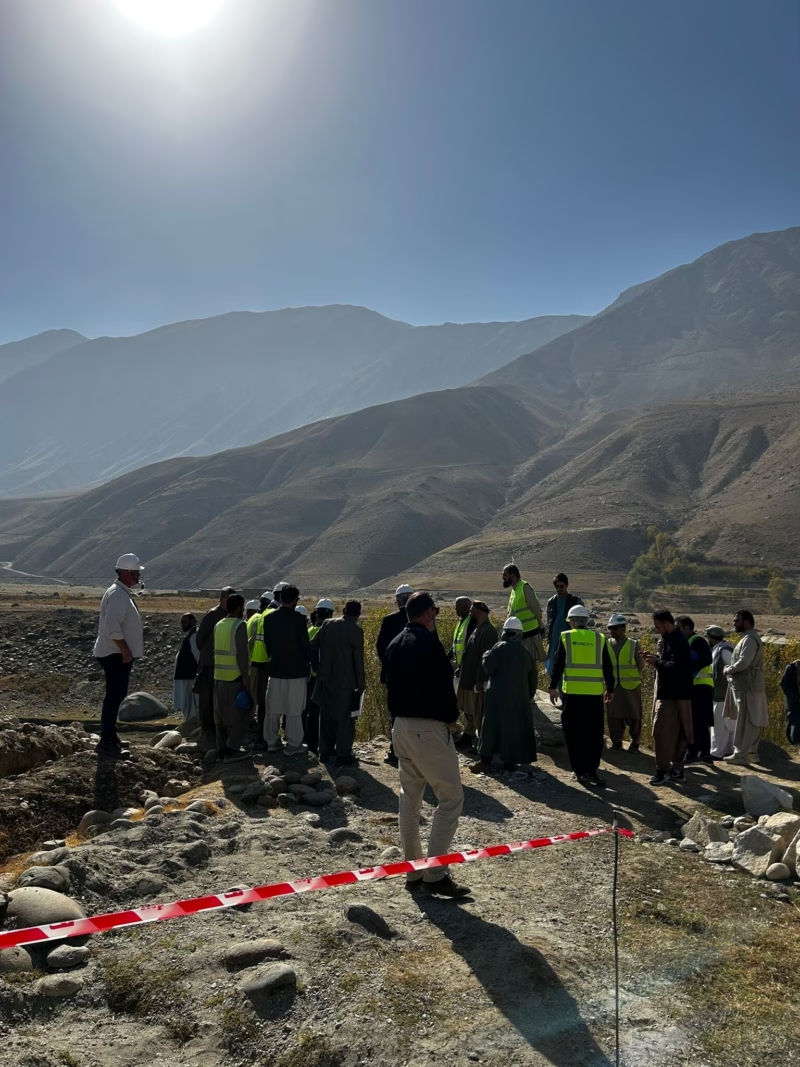
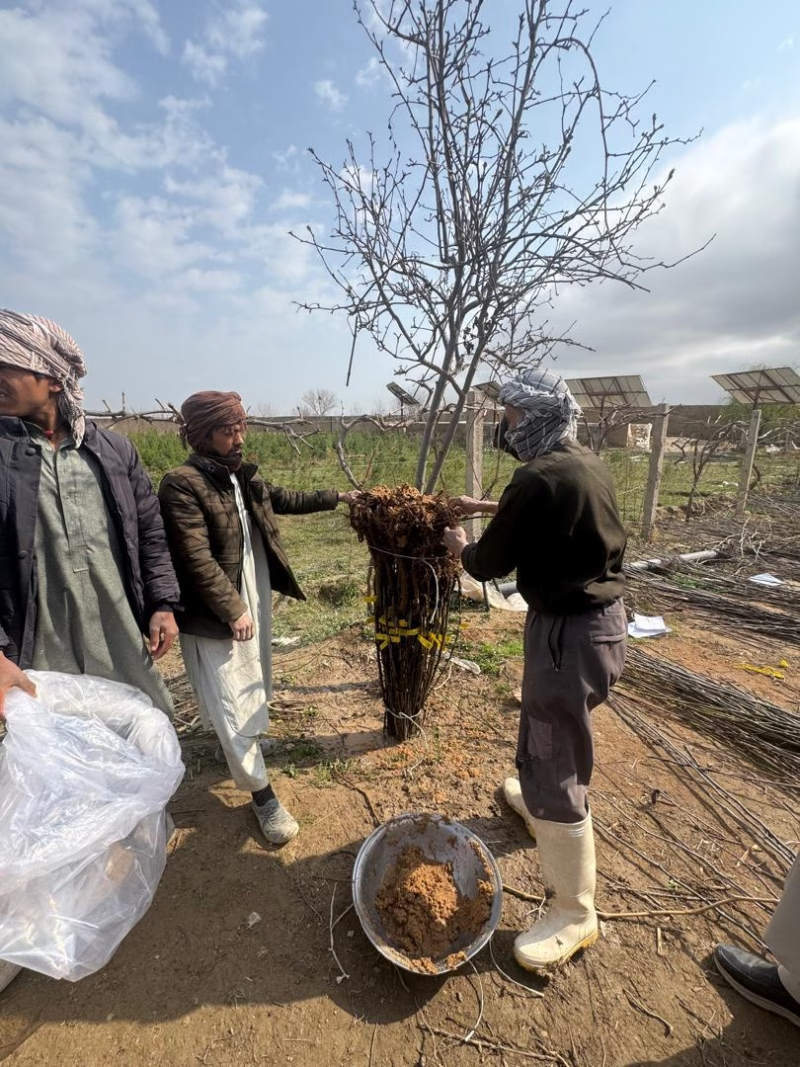
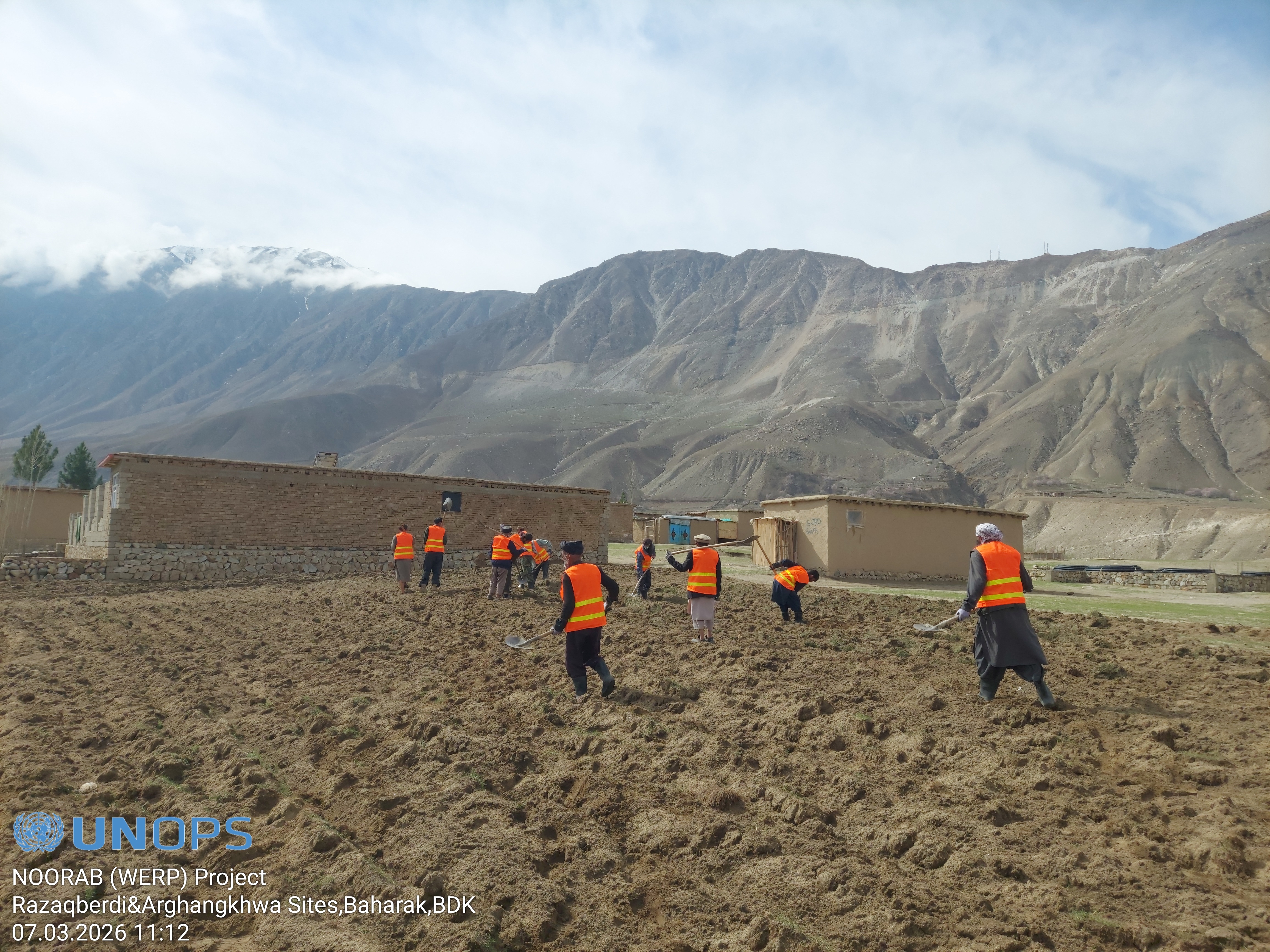
Under the WERP project, Merit Empire is focusing on irrigation systems that directly support agriculture. HDPE pipeline networks and solar-powered water pumps are being installed to bring reliable water back to farmland. “Afghanistan is an agricultural country, and many farmers are struggling,” the company notes, reflecting the urgency behind the work. Their contribution also includes over 26% project funding alongside support from the World Bank and UNOPS.
Working in remote communities comes with real challenges, especially in coordination and engagement. “Working with local villagers is not easy, but it’s essential,” the CEO explains. To address this, the company hired local labor, assigned responsibilities within villages, and involved community leaders in decisions. “This approach helped us address issues effectively,” he adds. Communities also supported the work by providing land for reservoirs, solar panels, and related infrastructure, ensuring stronger ownership on the ground. The impact is already visible. The project is creating daily job opportunities for more than 20 local workers, while also supporting small businesses through storage and office rental opportunities. Sustainability is also a key focus, with solar-powered systems ensuring long-term use and reduced operating costs. “A positive mindset regarding income and sustainability is vital,” the CEO emphasizes.
Looking ahead, Merit Empire plans to expand irrigation coverage across Badakhshan and neighboring provinces, targeting at least 5,000 hectares. “We recognize the importance of the WERP project and its impact on local economies,” the CEO says. The company is also improving planning by factoring in transport challenges and skilled labor availability, while encouraging stronger collaboration between private sector actors and development partners.
At its core, the work remains focused on one outcome: building systems that strengthen farming, support communities, and create long-term resilience.
Overview of WERP
The Water Emergency Relief Project (WERP) aims to enhance water access and improve irrigation efficiency across Afghanistan. Implemented by UNOPS and funded by the World Bank - Afghanistan Reconstruction Trust Fund (ARTF), the project has undergone revisions to ensure sustainability and efficient distribution of resources.
Project Components:
WERP is structured into four primary components:
- Component 1a: Private Energy Service Companies (PESCs) are engaged to implement, operate, and maintain solar irrigation systems. This fosters private sector involvement and ensures long-term maintenance.
- Component 1b: Community support is provided for land improvement, agricultural inputs, and water use management training. This component empowers local communities and enhances their agricultural practices.
- Component 1c: Support is given for additional energy uses, such as cooling rooms, drying plants, and mills, expanding the benefits of solar energy beyond irrigation.
- Component 2: Groundwater recharge projects are implemented in 14 drought-affected provinces and Kabul, aiming to diversify water sources and mitigate the impact of droughts.
WERP, in partnership with Private Sector Energy Companies (PESCs), is deploying a business model that aims to install solar-powered irrigation systems across Afghanistan. A preliminary scan identified over 300 potential sites, covering more than 1,500 hectares. Detailed feasibility studies are ongoing in other provinces to expand coverage. UNOPS partners with PESCs to co-finance and install solar irrigation systems, implementing an Energy as a Service (EEAS) model. Farmers will pay to the PESCs for the electricity used to pump water, while receiving subsidized inputs like seeds, fertilizers, and pesticides. These agricultural inputs, together with training programs, will help improve crop yields and water management, supporting long-term productivity and crop efficiency.
Additionally, to ensure long-term sustainability and service reliability, WERP is building PESC capacity through training in technical skills, business operations, and financial planning; since the equipment’s ownership falls under the PESCs, they are responsible for operating and maintaining the systems. This approach aims at building sustainable capacity of the private sector, keeping the systems running efficiently, and ensuring reliable service delivery for farmers over time.
Under the groundwater recharge component, the project is identifying and financing recharge interventions across 14 drought-affected provinces. To date, 487 potential sites have been surveyed, with 141 identified as technically feasible, of these, 40 sites have been designed. To expedite implementation, the project has adopted a parallel processing approach, simultaneously advancing site identification, community mobilization, technical design, design reviews (by MRRD and UNOPS), and procurement activities.